Reconstructive Orthopedic Surgery And Trauma
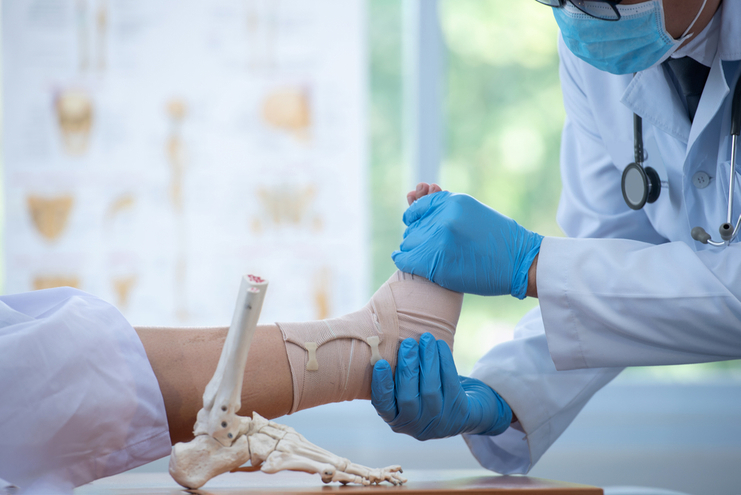
Reconstructive orthopedic surgery and trauma are two closely related medical specialties that focus on the diagnosis, treatment, and rehabilitation of musculoskeletal injuries and disorders. These areas of medicine primarily deal with the bones, joints, muscles, ligaments, tendons, and other structures that make up the human musculoskeletal system.
Reconstructive orthopedic surgery is a subspecialty of orthopedics that primarily involves the restoration of normal function and form in the musculoskeletal system. It is typically indicated when patients experience musculoskeletal issues due to congenital deformities, traumatic injuries, degenerative conditions, or other anatomical anomalies.
Reconstructive Orthopedic Surgery:
- Joint Replacement : This involves the replacement of damaged or arthritic joints, such as the hip or knee, with artificial implants (prostheses) to relieve pain and restore mobility.
- Limb Lengthening :
This procedure is used to correct unequal limb lengths, often due to congenital conditions or injuries, by gradually lengthening the bone through external devices or internal implants.
- Bone Grafts :
Bone grafting is used to promote bone healing or to replace missing bone in cases of fractures, bone infections, or congenital deformities.
- Deformity Correction :
Reconstructive surgery can correct deformities like scoliosis, clubfoot, or other musculoskeletal abnormalities that affect a patient's physical function or appearance.
- Soft Tissue Repair :
This may involve the repair of damaged ligaments, tendons, or muscles to restore function and reduce pain.
Orthopedic Trauma
- Fracture Management : This includes the reduction (realigning broken bone fragments), fixation (stabilization with pins, screws, plates, or external devices), and rehabilitation of fractures to facilitate proper healing.
- Dislocation Reduction :
Orthopedic trauma surgeons are skilled at reducing dislocated joints back into their normal positions, which is crucial for preventing complications and restoring function.
- Wound Care :
Treating open fractures and other injuries with associated soft tissue damage is an important aspect of orthopedic trauma care to prevent infection and promote healing.
- Emergency Care :
Orthopedic trauma specialists are often involved in the immediate assessment and treatment of patients who have sustained injuries, providing pain relief and stabilizing the injury before further interventions.
- Rehabilitation :
After the acute phase of treatment, orthopedic trauma patients often require physical therapy and rehabilitation to regain strength, mobility, and function.