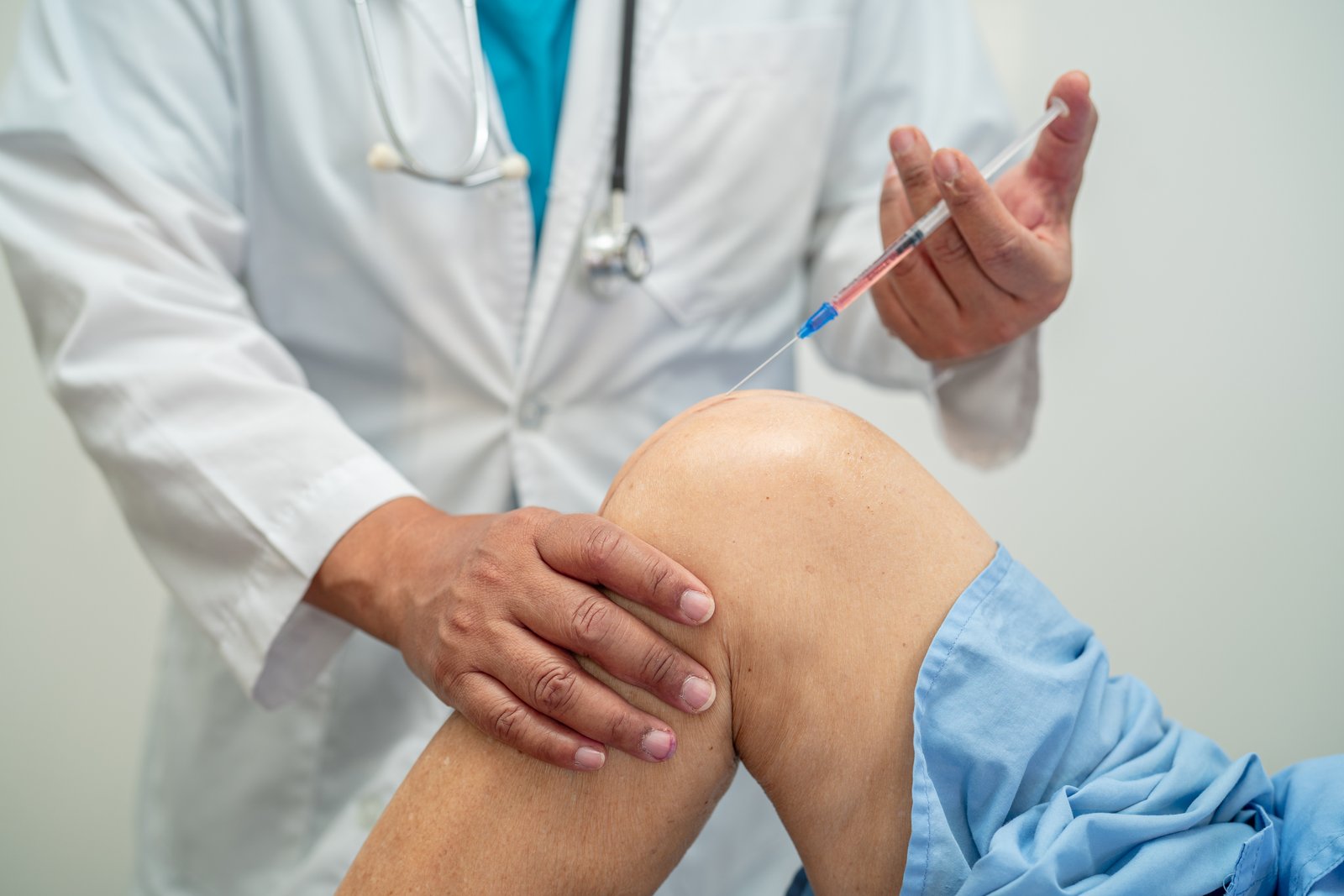
Reconstructive orthopedic surgery and trauma are closely connected specialties dedicated to diagnosing, treating, and rehabilitating complex injuries and disorders of the musculoskeletal system, including bones, joints, ligaments, tendons, and muscles. Within this field, total knee arthroplasty—widely known as Knee Replacement Surgery in Navrangpura, Ahmedabad—is an advanced procedure performed to eliminate chronic pain and restore mobility in severely damaged knees. During the operation, worn cartilage and bone are resurfaced and replaced with durable prosthetic implants, offering lasting relief for patients struggling with stiffness and limited movement caused by osteoarthritis, rheumatoid arthritis, or past traumatic injuries.
Here is a description of the knee replacement procedure
- Preoperative Evaluation : Before the surgery, a thorough evaluation is conducted by the orthopedic surgeon. This evaluation may include medical history, physical examination, imaging studies (such as X-rays or MRI), and discussions with the patient about their symptoms and expectations.
- Anesthesia : Knee replacement surgery is performed under either general anesthesia (where the patient is unconscious) or regional anesthesia (such as spinal or epidural anesthesia, which numbs the lower part of the body). The choice of anesthesia depends on the patient's health, preferences, and the surgeon's recommendation.
- Incision : The surgeon makes an incision over the knee joint, typically on the front of the knee. The incision size can vary but is generally several inches long.
- Bone Preparation : The damaged or arthritic surfaces of the femur (thigh bone), tibia (shin bone), and patella (kneecap) are carefully removed. Specialized surgical instruments are used to precisely shape the bones to fit the prosthetic components.
- Implantation : Artificial components made of metal, plastic, or a combination of materials are implanted to replace the removed bone surfaces.
- Stabilization : The implants are secured with bone cement or, in some cases, through press-fit methods, where the bone naturally grows into the implant over time.
- Closure : The incision is closed with sutures or staples, and a sterile dressing is applied.
- Postoperative Care : After surgery, the patient is closely monitored in a recovery area. Physical therapy and pain management are essential components of postoperative care. Patients are typically encouraged to begin moving the knee joint with the assistance of a physical therapist shortly after the procedure.
It's important to note that knee replacement is a major surgical procedure, and while it offers numerous benefits, it also involves potential risks and complications, such as infection, blood clots, and prosthesis wear over time. Patients should discuss the potential benefits and risks with their healthcare team and carefully follow postoperative instructions for the best outcomes.